

349 SEK
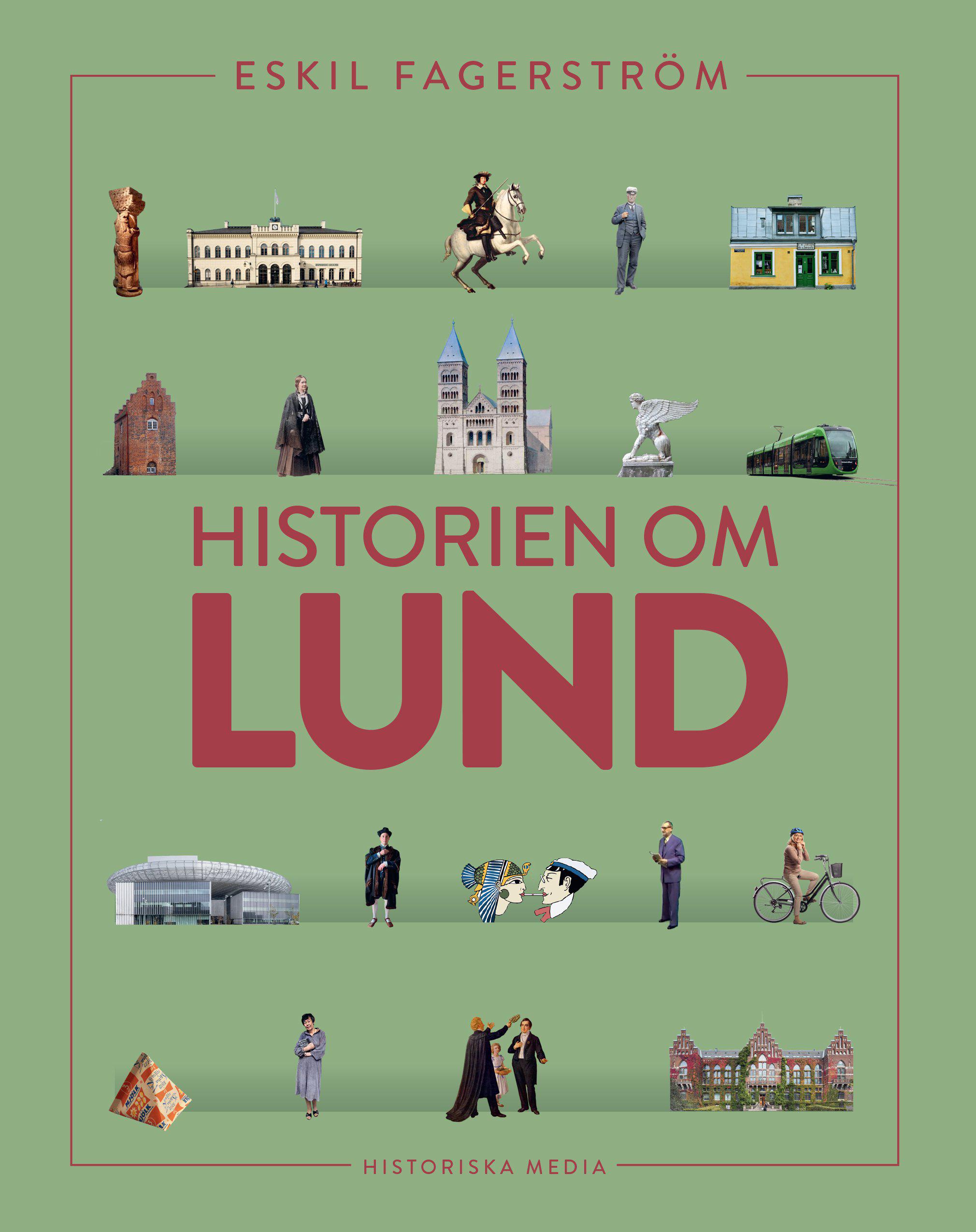
Lund is, in many ways, an extraordinary city. Small in size, situated on the Skåne plain, yet throughout the centuries a hub of ideas, knowledge, and international influences. Here, a medieval ecclesiastical metropolis emerged, with the cathedral at its heart. Here, a university was founded that would shape generations of researchers, students, and community builders. Here, academia meets working-class culture, student theater meets high technology, cobblestone streets meet research facilities.
In the mid-900s, a Danish Viking king had a brilliant idea: he would build a new city, complete with a royal estate, a magnificent church, and a mint. In *The History of Lund*, we follow the city’s journey through expansion, war, stagnation, and renewal—onward to becoming an industrial society, a city of knowledge, and an international hub in the Öresund region. It is a story of how ideas have crossed borders and become part of Lund: from the continent’s monasteries and universities, from Romantic-era Germany, from industrial-era America, and from punk-era Britain.
With insight and warmth, the book paints a picture of a city that has reinvented itself time and again. It is a story about the importance of openness—and about how a small city on the plains of Skåne has left its mark far beyond its own borders.
Eskil Fagerström is an author and a native of Lund. He has worked as a news journalist in the city for nearly 30 years, including as a reporter and editor-in-chief of Sydsvenskan’s Lund bureau.
- Secure payment by card
- E-mail us, we reply swiftly!
- These rows can be edited \*
\* Edit these rows under Content > Product page
Description
Article no.: B31
Publication Date: April 23, 2026
Dimensions: 164 x 29 x 167 mm
Binding: Hardcover
Language: Swedish
Number of Pages: 304
Publisher: Historiska Media
ISBN: 9789180507578